Call for papers/Topics
All topics of interest for submission include any topics related to:
1. Chemical Engineering (Core Topics)
Chemical engineering focuses on the design, development, and operation of processes that convert raw materials into valuable products on an industrial scale.
Transport Phenomena
-
Fluid Mechanics: Newtonian and non-Newtonian fluids, multiphase flow, piping systems, and pumps.
-
Heat Transfer: Conduction, convection, radiation, heat exchangers, and boiling/condensation.
-
Mass Transfer: Diffusion, interphase mass transfer, and boundary layer theory.
Thermodynamics and Kinetics
-
Chemical Thermodynamics: Phase equilibria, chemical reaction equilibria, equations of state, and solution thermodynamics.
-
Chemical Reaction Engineering: Kinetics of homogeneous and heterogeneous reactions, ideal reactor design (Batch, CSTR, PFR), and catalyst deactivation.
Process Engineering and Design
-
Separation Processes: Distillation, extraction, absorption, adsorption, and membrane separations.
-
Process Dynamics and Control: Feedback and feedforward control, tuning of PID controllers, and plant-wide control architectures.
-
Process Intensification: Modular chemical processing, microreactors, and multifunctional reactors.
2. Biological Engineering (Core Topics)
Biological engineering (or Bioengineering) applies engineering principles to biological systems, ranging from molecular and cellular levels to whole organisms and bioprocesses.
Bioprocess and Enzyme Engineering
-
Bioreactor Design: Kinetics of microbial, mammalian, and plant cell growth; aeration, agitation, and scale-up challenges.
-
Downstream Processing: Bioseparations, chromatography, centrifugation, cell disruption, and purification of biologics.
-
Enzyme Technology: Immobilized enzyme kinetics, biocatalysis, and metabolic engineering.
Cellular and Molecular Engineering
-
Genetic and Metabolic Engineering: Synthetic biology, CRISPR/Cas9 gene editing, pathway optimization, and recombinant DNA technology.
-
Tissue Engineering and Biomaterials: Scaffolds, stem cell differentiation, biocompatibility, and controlled drug delivery systems.
Biomedical and Biosystems Engineering
-
Bioinformatics and Systems Biology: Metabolic network modeling, genomics, proteomics, and computational biology.
-
Biosensors and Diagnostics: Microfluidics, lab-on-a-chip devices, and analytical bio-assays.
3. Environmental Engineering (Core Topics)
Environmental engineering focuses on protecting human health and the environment through the management of water, air, soil, and waste resources.
Water and Wastewater Engineering
-
Water Treatment: Coagulation, flocculation, sedimentation, filtration, disinfection, and desalination.
-
Wastewater Treatment: Primary treatment, secondary biological processes (activated sludge, anaerobic digestion), and advanced tertiary treatment (nutrient removal, UV disinfection).
Air Quality and Climate Engineering
-
Air Pollution Control: Particulate matter removal (cyclones, electrostatic precipitators), gaseous emission control (scrubbers, catalytic converters), and indoor air quality.
-
Atmospheric Dispersion Modeling: Plume rise, transport of pollutants, and climate change mitigation strategies (carbon capture and storage).
Solid and Hazardous Waste Management
-
Municipal Solid Waste: Landfill design, recycling, composting, and waste-to-energy technologies (incineration, pyrolysis).
-
Hazardous Waste Remediation: Bioremediation, phytoremediation, soil washing, and groundwater decontamination.
4. Interrelated and Cross-Disciplinary Topics
The true power of these disciplines lies in their intersections, where principles from all three fields are required to solve complex global challenges.
Environmental Biotechnology (Bio + Environmental)
-
Biological Waste Treatment: Utilizing specialized microbial consortia for municipal sewage and industrial effluent treatment.
-
Bioremediation: Deploying engineered microbes or plants to degrade environmental contaminants like heavy metals, plastics, and oil spills.
-
Biofiltration: Using biological systems to capture and treat volatile organic compounds (VOCs) and odorous gases from air streams.
Sustainable and Green Chemical Engineering (Chemical + Environmental)
-
Life Cycle Assessment (LCA): Evaluating the environmental impacts of a chemical product or process from raw material extraction to disposal.
-
Green Chemistry: Designing chemical products and processes that reduce or eliminate the use and generation of hazardous substances.
-
Circular Chemical Economy: Plastic recycling technologies (chemical depolymerization), carbon dioxide utilization, and waste-to-chemicals processes.
Biorefinery and Bioenergy (Chemical + Biological + Environmental)
-
Biofuels Production: Conversion of biomass into bioethanol, biodiesel, biogas, and biohydrogen via biochemical and thermochemical pathways.
-
Bioplastics and Biopolymers: Microbial synthesis of biodegradable alternatives to petroleum-based plastics (e.g., Polyhydroxyalkanoates - PHAs).
-
Valorization of Agricultural Waste: Transforming agricultural byproducts into high-value platform chemicals and materials.
Industrial Biotechnology (Chemical + Biological)
-
Fermentation Scale-Up: Translating laboratory-scale biological discoveries into commercially viable, large-scale chemical manufacturing processes.
-
Industrial Biocatalysis: Replacing traditional, energy-intensive chemical catalysts with highly specific enzymes in industrial synthesis




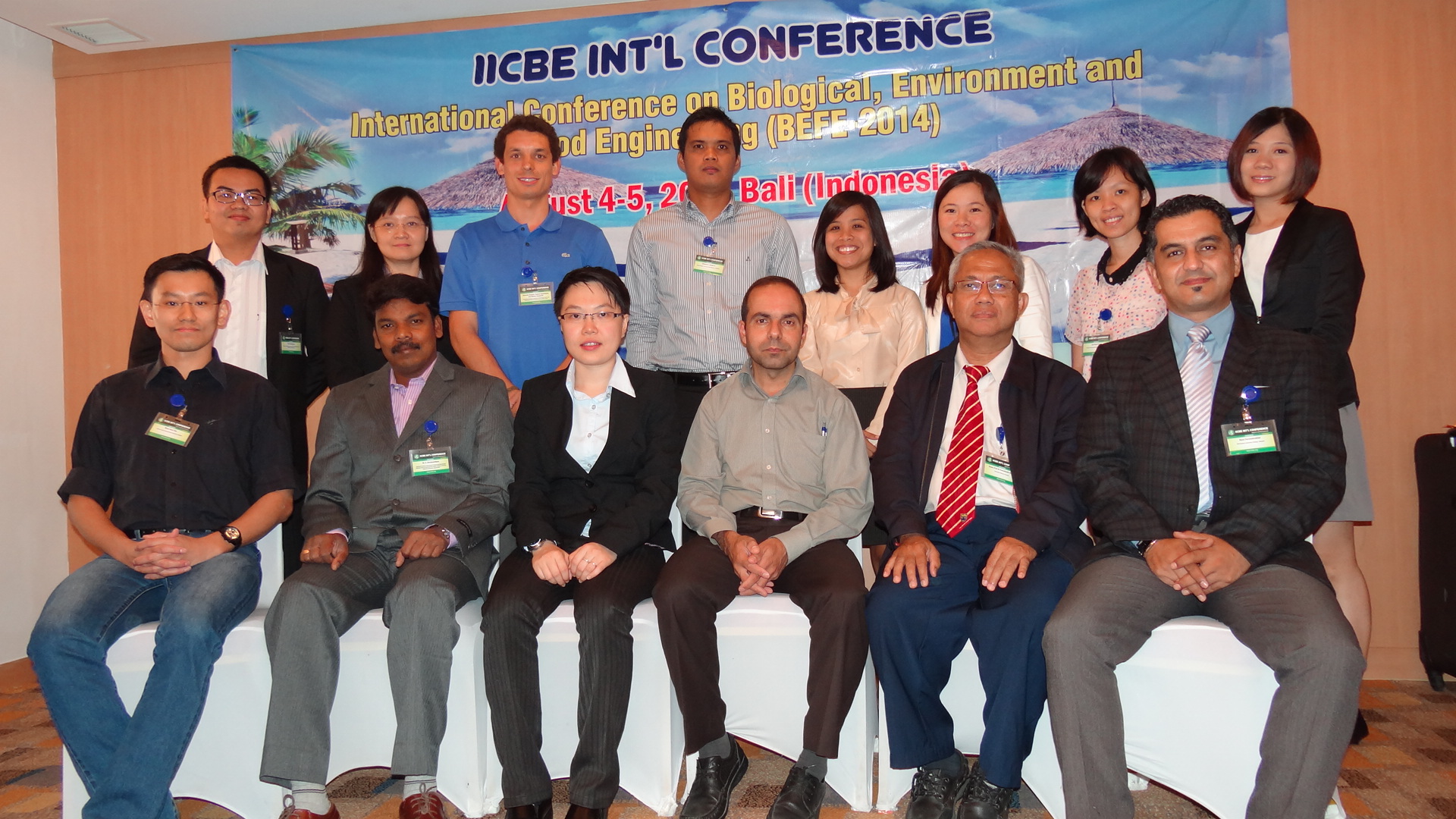
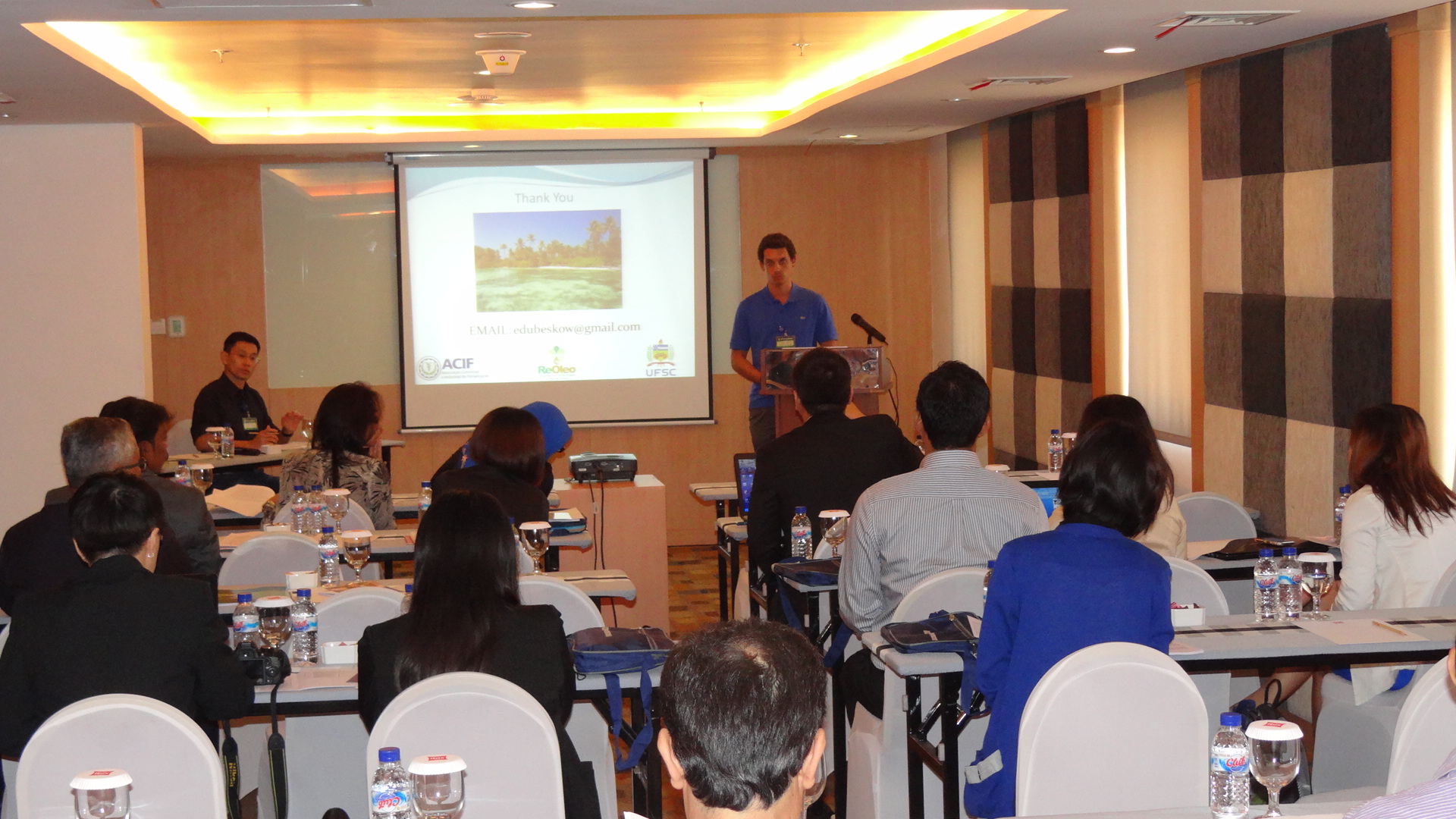
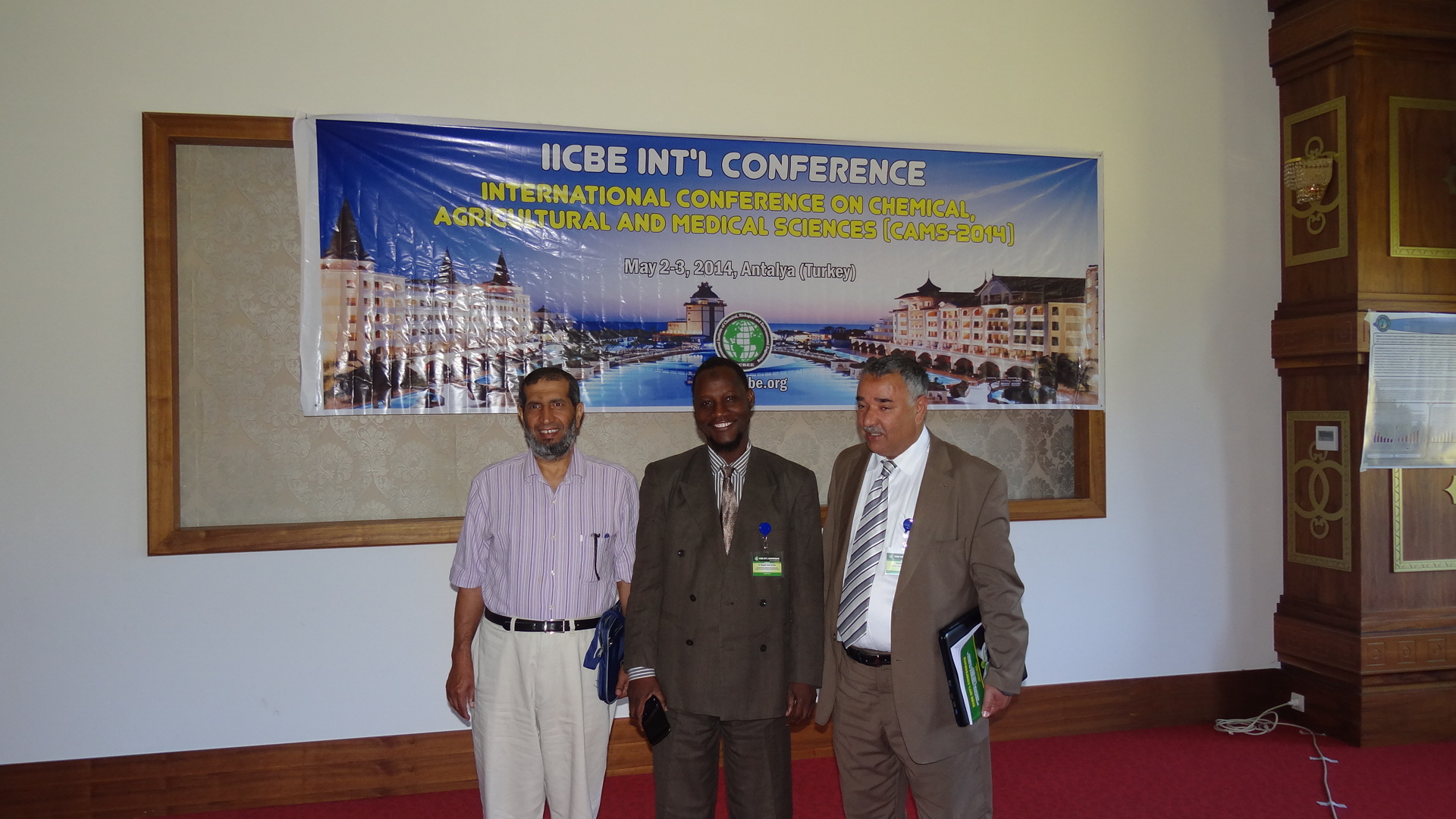
 Welcome to the official site of IICBEE. Our goal is to to bring together Researchers, Scientists, Engineers, Scholars and Students in the areas of Engineering & Bio-sciences, and provides a forum for dissemination of results, new ideas, Research & development and practical experiments, which concentrate on both theory and practices, for the benefit of human Being and Society.

 +91 9781001229
 +351920489940
 +66849204416
 +905333069621