Call for papers/Topics
Topics of interest for submission include any topics related to:
1. Chemical Engineering
Chemical engineering focuses on the "scale-up" of chemical reactions—taking what happens in a test tube and making it work in a massive industrial plant.
Core Topics
-
Transport Phenomena: The study of momentum (fluid flow), heat, and mass transfer.
-
Thermodynamics: Energy balances, phase equilibria, and chemical reaction equilibria.
-
Reaction Engineering: Kinetics and the design of chemical reactors.
-
Separation Processes: Distillation, absorption, extraction, and membrane filtration.
Sub-Topics
-
Process Control & Dynamics: Automated systems to maintain safety and efficiency.
-
Materials Science: Polymer engineering, nanotechnology, and ceramics.
-
Catalysis: Developing substances that speed up reactions without being consumed.
-
Plant Design: Economic analysis and safety protocols (HAZOP).
2. Biological Engineering
Often called Bioengineering or Biochemical Engineering, this field applies engineering principles to biological organisms and systems.
Core Topics
-
Bioprocess Engineering: Designing equipment for cell growth and product recovery (fermenters).
-
Synthetic Biology: Re-designing organisms for useful purposes (e.g., bacteria that produce insulin).
-
Bioinformatics: Using computational tools to analyze biological data (genomics/proteomics).
Sub-Topics
-
Biomedical Engineering: Tissue engineering, prosthetics, and medical imaging.
-
Metabolic Engineering: Optimizing genetic and regulatory processes within cells.
-
Biopharmaceuticals: The manufacturing of vaccines, antibodies, and gene therapies.
-
Food Engineering: Large-scale food processing, preservation, and nutritional safety.
3. Environmental Engineering
This discipline focuses on protecting human health and the environment by managing resources and waste.
Core Topics
-
Water & Wastewater Treatment: Desalination, biological nutrient removal, and potable water safety.
-
Air Quality Engineering: Control of particulate matter, NOx, SOx, and greenhouse gas emissions.
-
Solid & Hazardous Waste Management: Landfill design, recycling systems, and toxic waste neutralization.
Sub-Topics
-
Hydrology & Water Resources: Managing groundwater and surface water flow.
-
Environmental Microbiology: Using microbes to clean up oil spills or contaminated soil (Bioremediation).
-
Sustainable Energy: Solar, wind, and geothermal system integration.
-
Environmental Chemistry: The behavior of pollutants in the natural environment.
4. Interrelated & Overlapping Topics
The most modern innovations happen where these three fields collide.
| Intersection |
Interrelated Topics |
| Chemical + Biological |
Biochemical Engineering: Using chemical engineering principles to process biological materials (e.g., brewing, antibiotics). |
| Chemical + Environmental |
Green Chemistry: Designing chemical products that minimize the use of hazardous substances. |
| Biological + Environmental |
Bioremediation: Using plants or microbes to treat contaminated soil or water. |
| The "Triple" Intersection |
Biofuels: Producing ethanol or biodiesel (Bio) from plant waste (Env) via chemical conversion (Chem). |




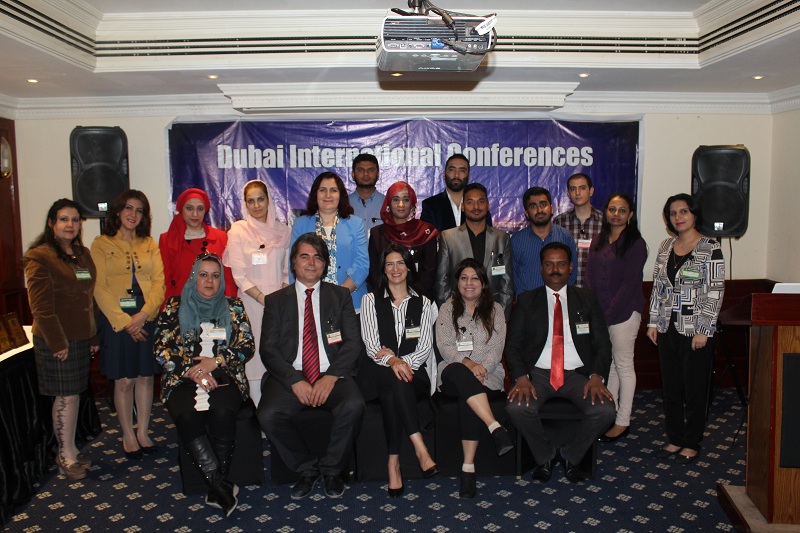
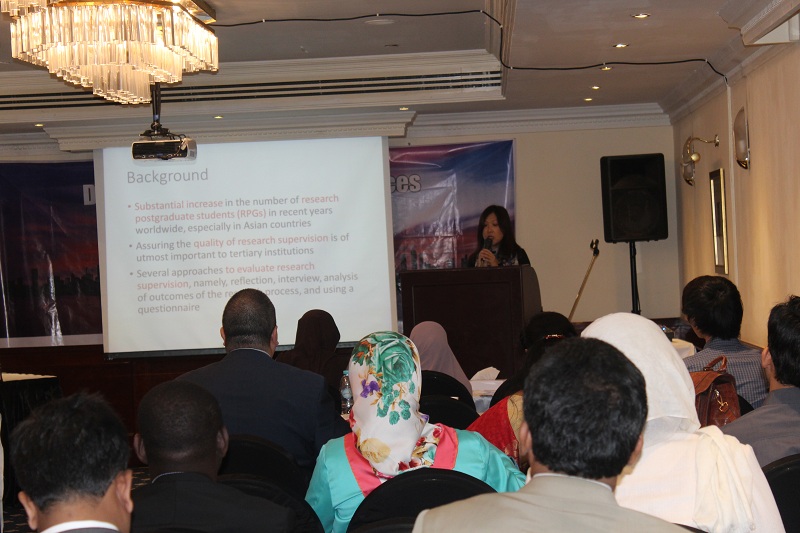
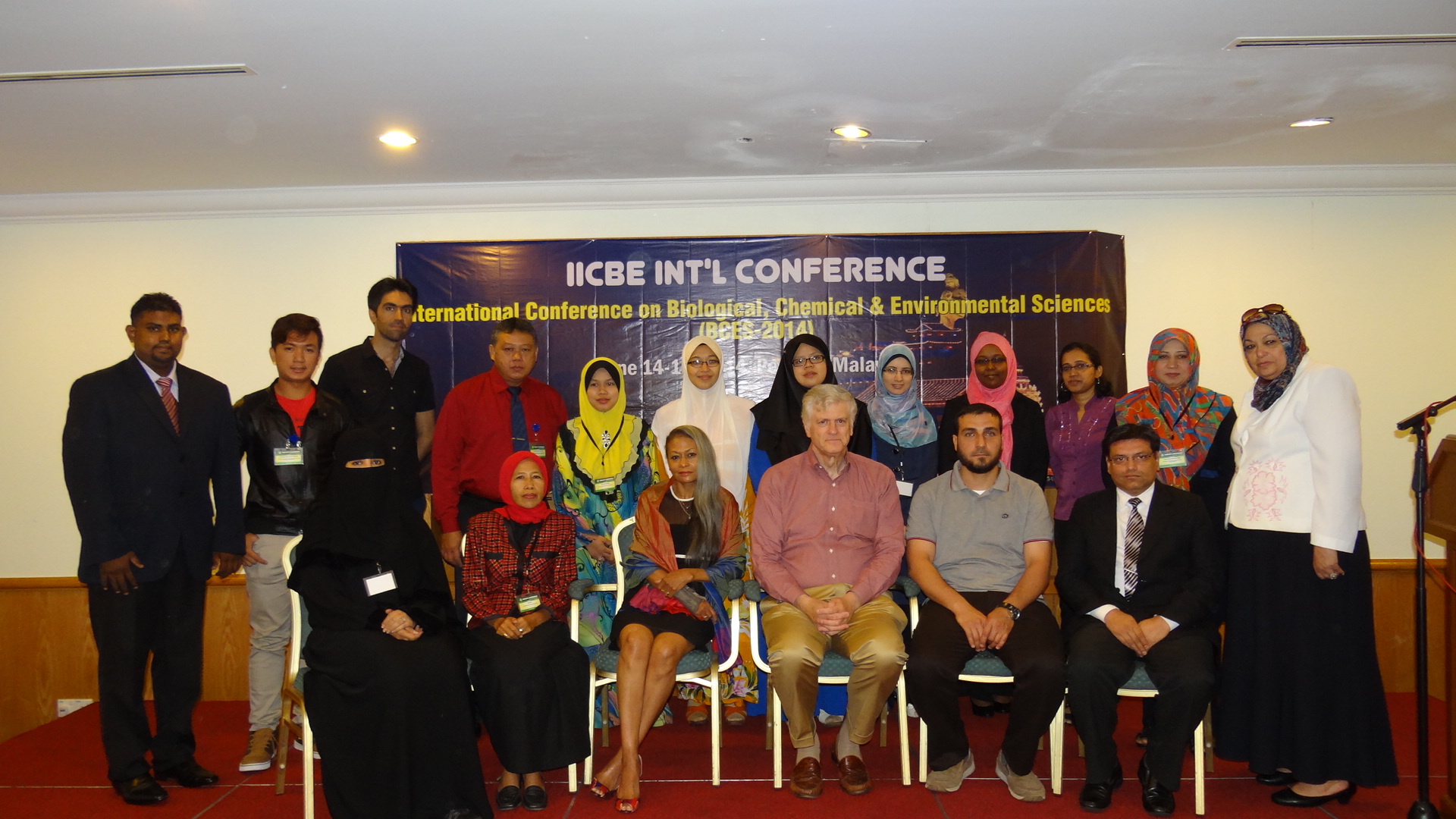
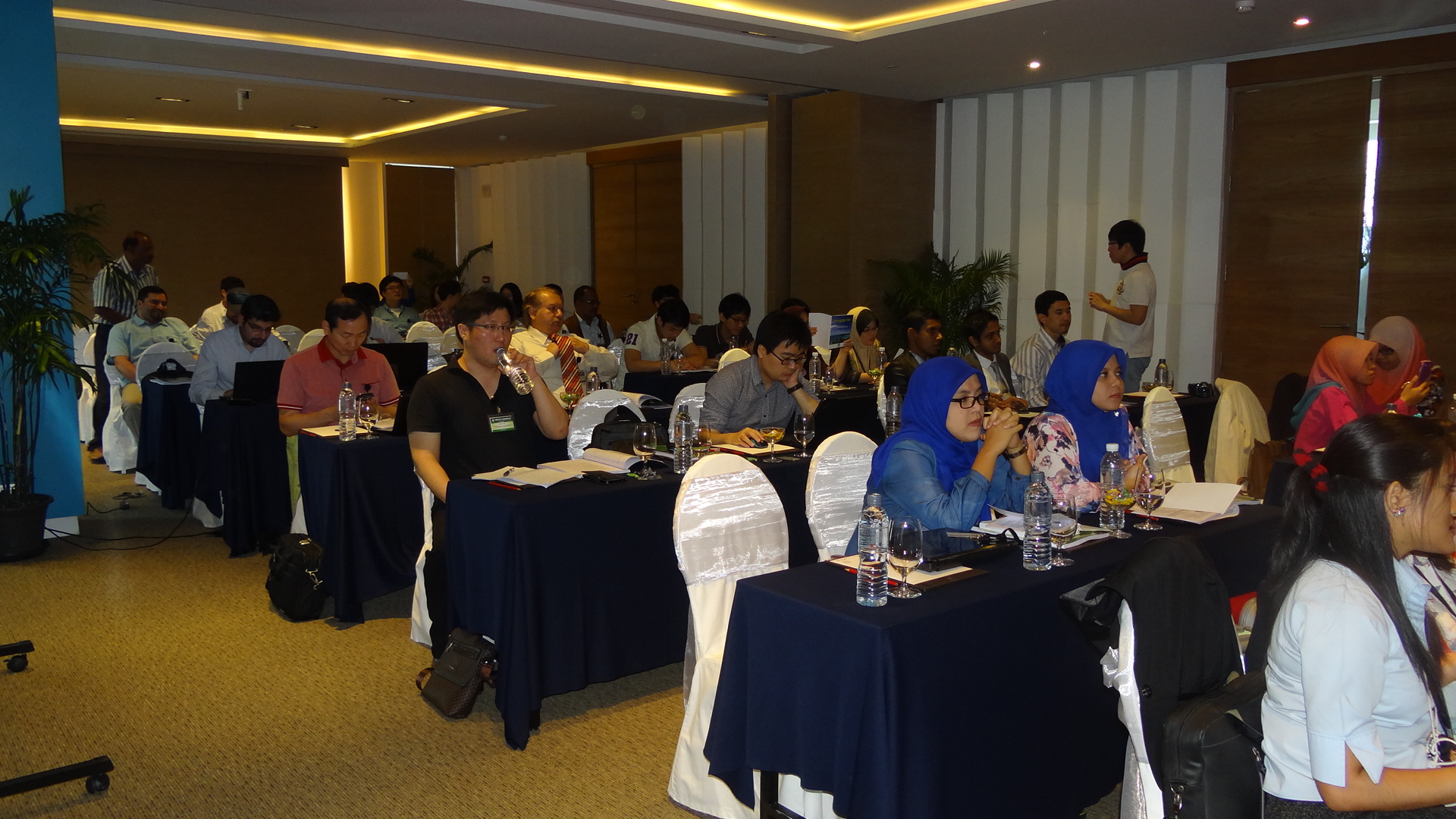
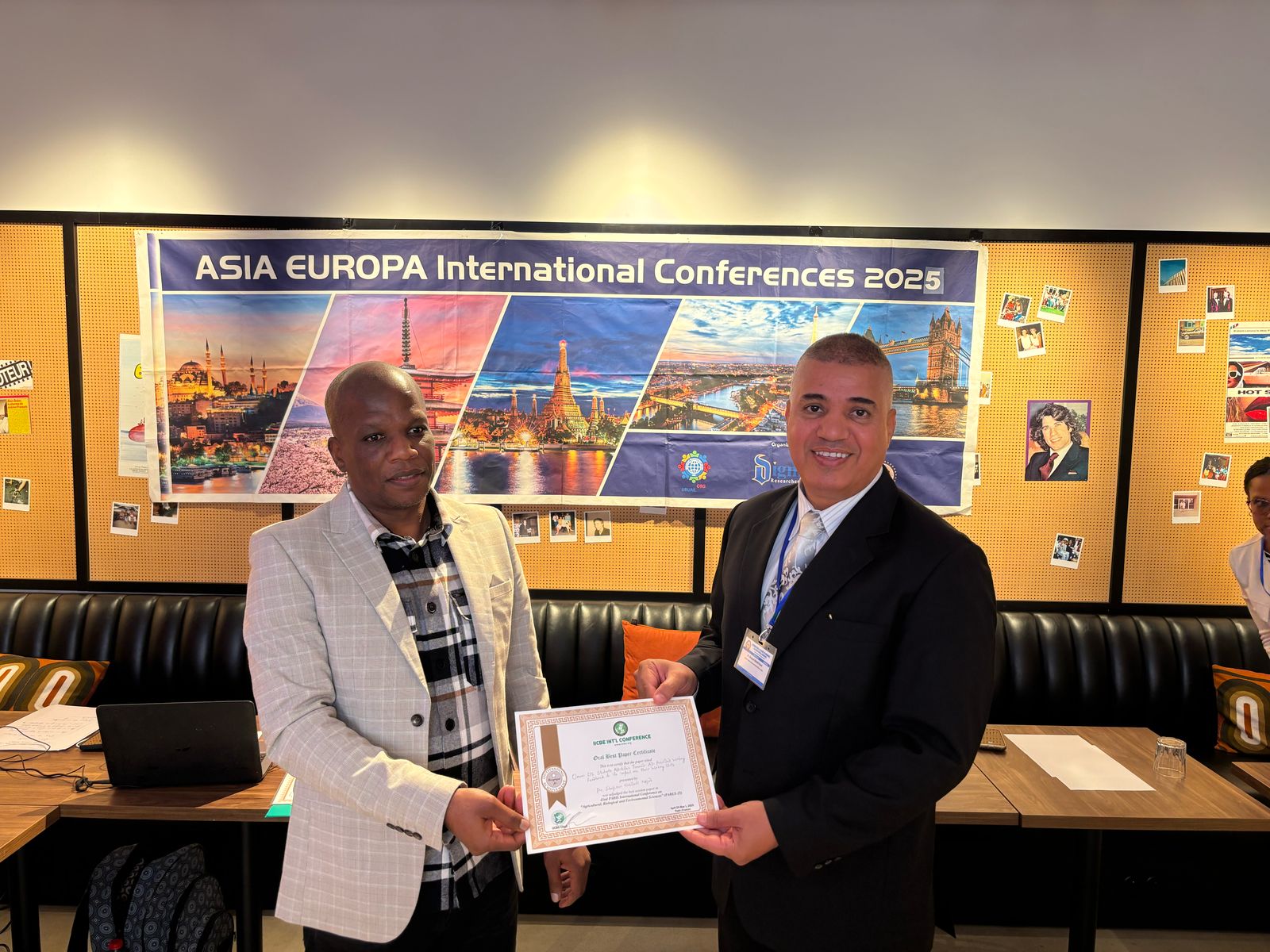
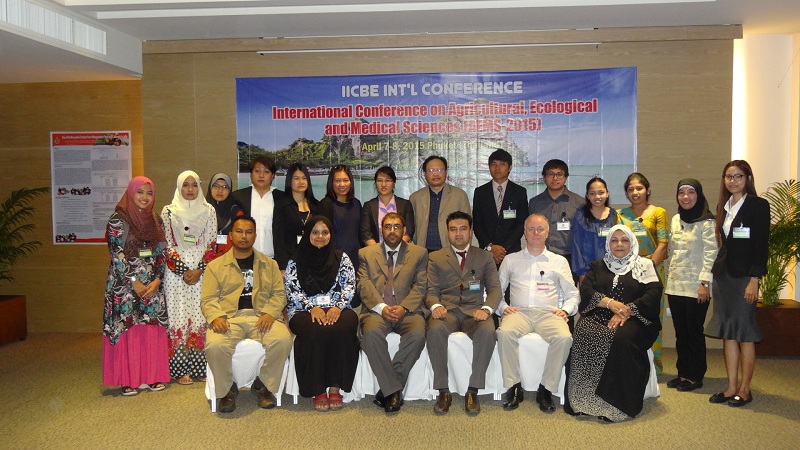
 Welcome to the official site of IICBEE. Our goal is to to bring together Researchers, Scientists, Engineers, Scholars and Students in the areas of Engineering & Bio-sciences, and provides a forum for dissemination of results, new ideas, Research & development and practical experiments, which concentrate on both theory and practices, for the benefit of human Being and Society.

 +91 9781001229
 +351920489940
 +66849204416
 +905333069621